

AI-Powered System Boosts Green Wall Efficiency Indoors
A new AI-driven system from Hebrew University uses advanced imaging and machine learning to optimize indoor green walls, improving plant health, reducing maintenance, and supporting energy-efficient building design.
Cursus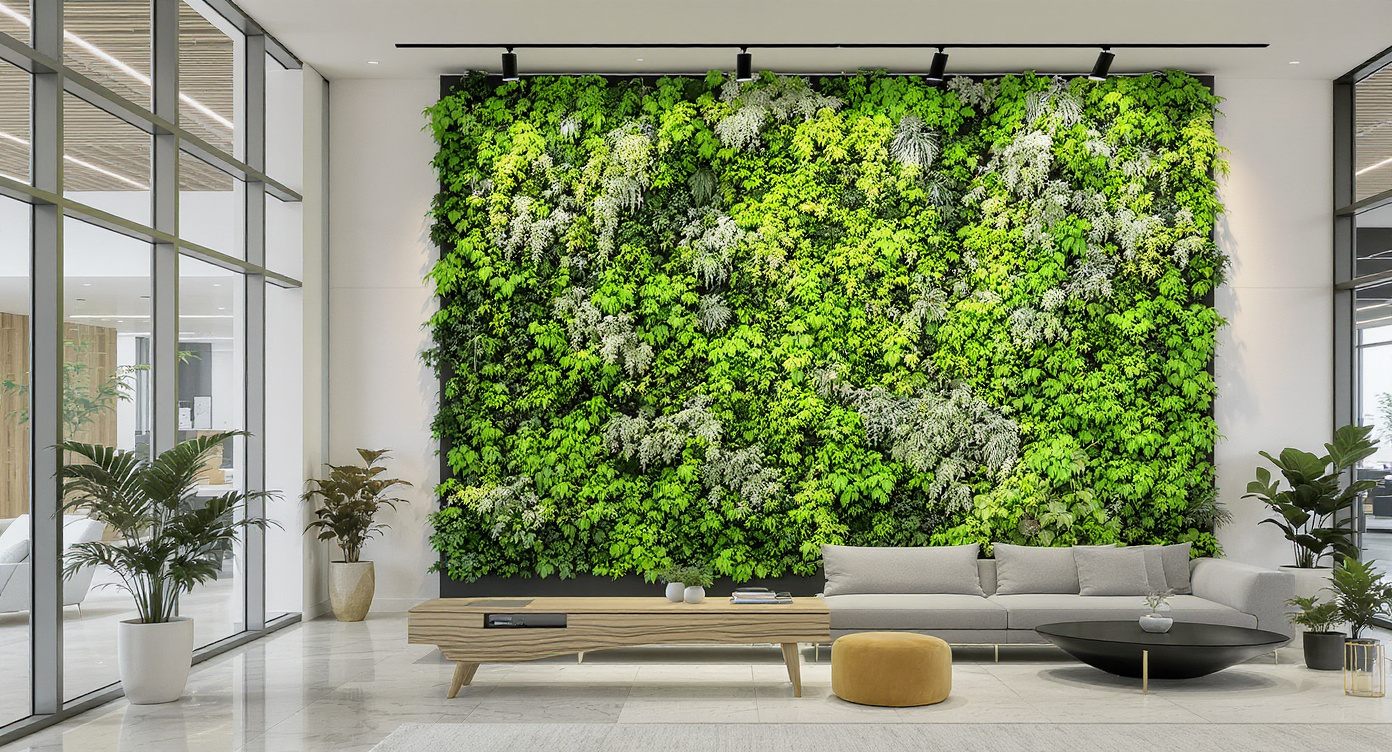
Vertical green walls, which use living plants to improve indoor air quality and enhance interior spaces, have shown potential for energy savings. However, their effectiveness often varies due to inconsistent performance and the need for complex maintenance routines, which has limited their widespread use.
Some installations thrive and contribute to better air quality and reduced energy costs, while others face challenges related to plant health and require intensive care. This variability has made it difficult to fully realize the benefits of green walls in indoor environments.
Researchers at the Hebrew University of Jerusalem have developed a new system called VertINGreen to address these challenges. By combining hyperspectral imaging with machine learning, the system can map optimal planting patterns across entire walls, detect early signs of plant stress, and provide alerts about potential issues weeks before they become visible. This proactive approach enables more effective maintenance, reduces costs, and supports healthier green wall installations.
To develop this system, the research team collected around 2,000 detailed measurements on how indoor plants absorb carbon dioxide and release water under different conditions. This data was used to create a forecasting tool that predicts the impact of green wall installations on energy consumption and ventilation needs.
The VertINGreen system offers architects, engineers, and building managers reliable information about the expected performance of green walls, supporting more informed decisions about integrating natural elements into building interiors.
The findings from this research, led by Yehuda Yungstein and Dr. David Helman, have been published in the journal Indoor Air.